

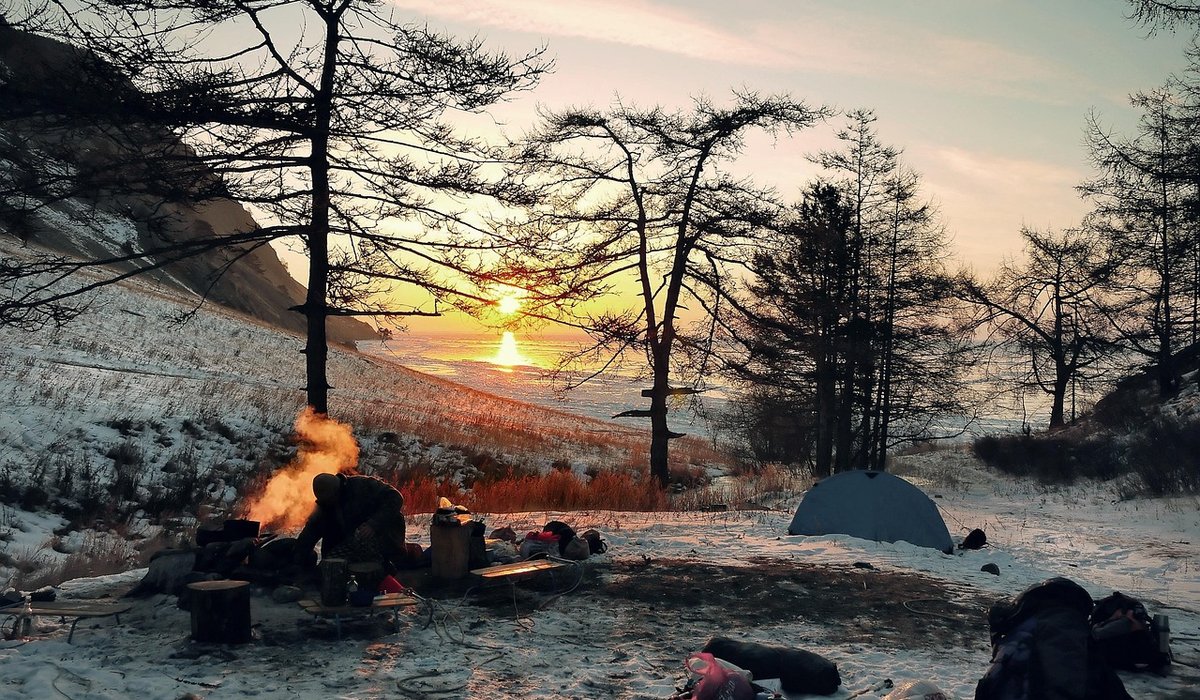
Why a Hot Drink Is Worth the Weight
On a raw January morning on the Kinder plateau, or a drizzly afternoon on a Welsh ridge, a hot drink does more than warm you up. It resets the day. A flask of tea at a windswept cairn lifts morale, warms cold hands, encourages you to stop and eat something, and gives you a proper pause to check the map before the next leg. Experienced hill walkers tend to treat a brew stop as a navigational and nutritional checkpoint as much as a comfort.
The trade-off is weight. A full one-litre vacuum flask adds the best part of a kilo and a half to your rucksack, and a stove, fuel and pot will weigh something similar. That is a real cost on a long day with 900 metres of ascent. The reward is a reliable source of warmth that does not depend on finding shelter, dry wood, or anyone else's goodwill.
Flask or Stove: Choose Before You Leave
The right answer depends on the day, the distance and the weather.
- Take a flask for short winter days, fast-moving walks, or anything where you will not want to stop for long. Nothing beats unscrewing a lid and drinking within thirty seconds while your hands stay gloved.
- Take a stove for longer days, wild camps, bothy trips or group walks where several people want a brew. A stove gives you unlimited hot drinks and hot food, but it demands time, shelter and a bit of skill.
- Take both on big winter outings. The flask is your emergency ration of warmth; the stove is the luxury you use if conditions allow.
Getting the Most from a Vacuum Flask
A good stainless steel vacuum flask will keep a drink genuinely hot for six to eight hours if you treat it properly. Fill it badly and you will be drinking lukewarm stew by lunchtime.
First, pre-heat the flask. Fill it with boiling water, screw the lid on, and leave it standing for five minutes while you finish packing. Tip that water out and fill immediately with your drink. This one step can add a couple of hours of usable heat. Fill right to the brim, leaving as little air space as possible, because trapped air is what lets heat escape.
Think about what you put in it. Tea with milk does not keep as well as black tea, black coffee, hot squash, spiced apple or a thin soup. If you want milk, use a little powdered or condensed milk, or accept that a milky brew will taste a bit tired by mid-afternoon. Make it slightly stronger and a touch sweeter than you would at home; cold dulls flavour. Do not over-tighten the lid, as a flask sealed too hard with hot contents can be genuinely difficult to open with cold, weak hands.
Brewing on the Hill with a Stove
Stoves behave differently in the cold. Gas canisters lose pressure as temperatures drop, and a standard butane mix can become almost useless below freezing. Choose a canister with a higher propane content, keep it warm inside your rucksack rather than strapped outside, and consider an inverted-canister setup for proper winter use. Liquid-fuel and meths stoves are slower but far more dependable in the cold.
Wind is the real enemy. A stove without a windshield will use three times the fuel and take twice as long, so carry a foil windshield and set up on the lee side of a boulder, a wall or a peat hag. Sit on your mat or rucksack rather than bare rock, keep the stove on level ground, and never, ever run a stove inside a tent, a bothy with poor ventilation or a snow hole. Carbon monoxide kills quietly and quickly.
Hands, Spills and the Cold
Cold hands are clumsy hands, and clumsy hands spill boiling water. Before you pour, put on a pair of thin liner gloves and get your mug and lid ready and within reach. If you must handle metal parts, use a folded cloth or a glove. Bare wet skin touching sub-zero metal can stick and burn in seconds.
Pour slowly and steadily, with the mug resting on the ground rather than held in the air. When you drink, sip rather than gulp; scalding your mouth on a fell top is miserable and avoidable. If you are sharing, pour for others first so nobody is left waiting with cold hands. And keep an eye on the group: a hot drink offered to someone who has gone quiet and shivery is one of the simplest pieces of mountain first aid there is.
Fuel, Safety and Leaving No Trace
Carry fuel only in a proper sealed container, clearly labelled, and never loose in your rucksack where it can leak over your spare layers and food. Refill stoves well away from any naked flame, and never top up a hot stove. Store canisters somewhere cool and check seals before you leave the house.
Finally, take your rubbish home. Do not pour leftover tea, coffee or soup onto the fell, however harmless it seems; it attracts wildlife and leaves a mess. Tip dregs into a sealed bag or carry them out. Leave the hills exactly as you found them, and the brew stop stays a pleasure for everyone who follows.


Coding is used in almost all aspects of life and work now, be it directly or indirectly. It’s not just for companies in the tech sector. “An increasing number of businesses rely on computer code,
Coding is used in almost all aspects of life and work now, be it directly or indirectly. It’s not just for companies in the tech sector. “An increasing number of businesses rely on computer code,
Coding is used in almost all aspects of life and work now, be it directly or indirectly. It’s not just for companies in the tech sector. “An increasing number of businesses rely on computer code,